Reimagining HR as a driver of ethical, inclusive and sustainable impact - rooted in stakeholder capitalism and the triple bottom line of People, Planet and Profit.
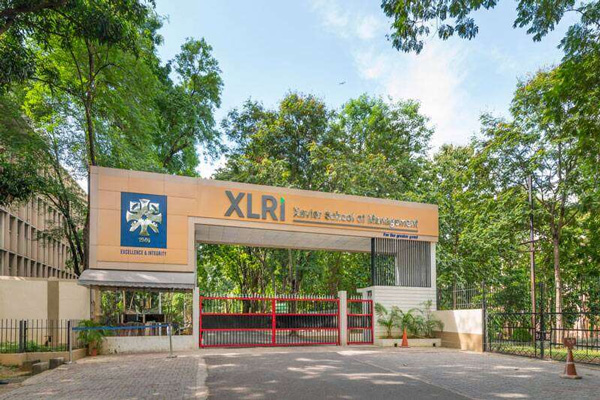
Established in 1949 by the Society of Jesus, XLRI is one of India's oldest and most respected business schools, celebrating 75 years of excellence. Guided by the Jesuit philosophy of Magis - the pursuit of excellence for the greater good - and accredited by AACSB, AMBA and EQUIS.
XLRI has established the Centre for HR Research and Studies to advance thought leadership in human resource management, convening industry, academia and policy to shape the future of responsible work.
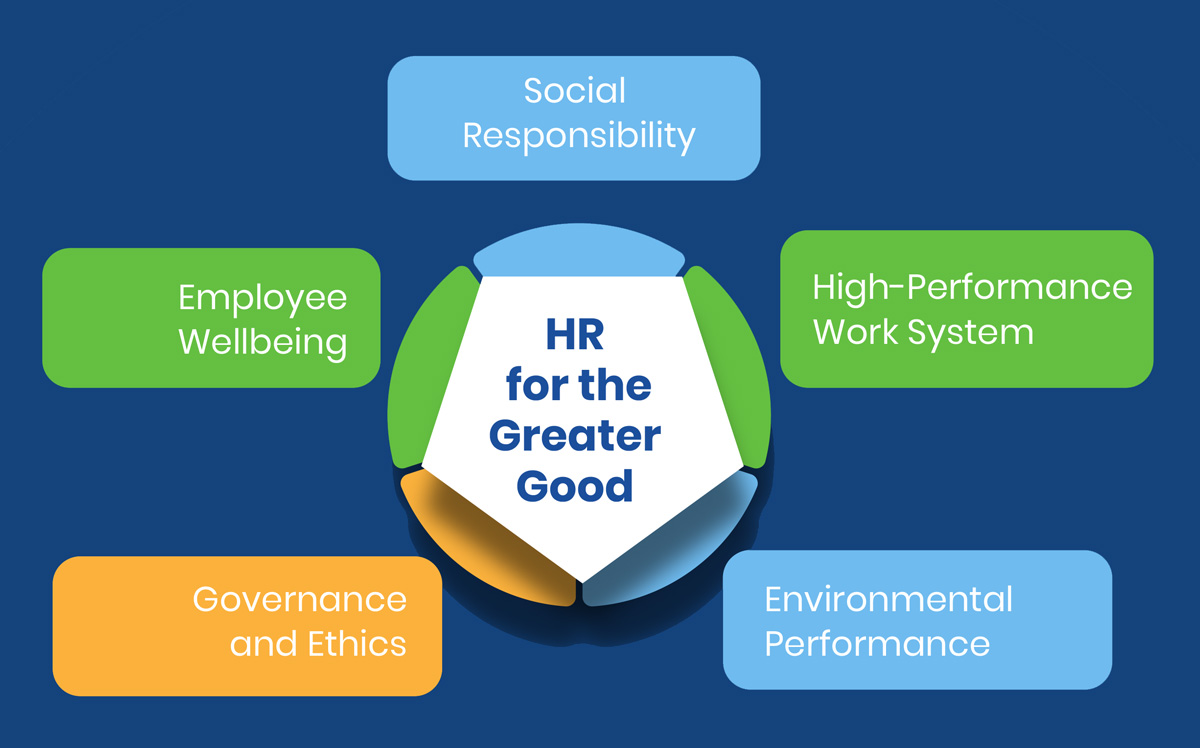
HR for the Greater Good Conclave 2.0 is a national platform that brings together industry leaders, policymakers, academicians, and practitioners to reimagine HR as a driver of ethical, inclusive, and sustainable impact. Rooted in stakeholder capitalism and the triple bottom line of People, Planet, and Profit, it positions HR as a strategic partner in building responsible organizations.
The conclave features keynote addresses by CHROs and policymakers, expert sessions by AI specialists and international faculty, organizational presentations across sectors, panel discussions, and participation from trade union leaders.
Dignity, fairness and inclusion at the heart of every workplace decision and HR practice.
Embedding sustainability and Green HRM into culture through participatory, value-driven action.
Responsible, resilient organizations built on stakeholder capitalism and the triple bottom line.
Participating organizations are invited to share their practices and perspectives under any one of the following five sub-themes.
AI is transforming recruitment, performance management and employee monitoring - creating real efficiencies while raising concerns around fairness, transparency and dignity.
India's evolving labour codes mark a shift from adversarial to more collaborative workplace relations - an opportunity to go beyond compliance.
Sustainability goals succeed when employees are partners, not just recipients of policy. HR can embed Green HRM into culture through participatory approaches.
The post-pandemic workforce seeks wellbeing, flexibility, growth and purpose alongside compensation. HR must rethink rewards and career frameworks.
Digitalization reshapes how organizations operate and how HR functions - bringing agility and efficiency while disrupting established work practices and employment relationships.
Sessions combine presentations, expert dialogues and peer discussions for meaningful cross-sector learning.
Identifying and recognizing organizations demonstrating outstanding HR practices for the greater good.
Participants complete a survey on their HR practices. The team also conducts brief interactions to understand organizational practices in depth.
Organizations deliver 15-minute presentations evaluated on innovation, impact and alignment with the theme of the greater good.
Winners are selected by expert evaluators across each sub-theme category, based on the survey, interactions and presentations.
How the HR practice is experienced by employees and stakeholders.
The formal policy design and its documentation.
The quality and clarity of the organizational presentation at the conclave.
Inputs and feedback from the panel, fellow participants and the audience.
Registration is open from June 5, 2026. Secure your spot before the August 15, 2026 deadline.
Note: Travel to and from Jamshedpur is to be arranged and borne by the participants.
A look back at HR for the Greater Good Conclave 2024 - celebrating the best HR practices.
The people steering HR for the Greater Good Conclave 2.0 - across faculty, student coordinators and staff.
Join industry leaders, policymakers and practitioners at XLRI Jamshedpur, August 31 – September 2, 2026.